Symposium 11 of CoCA2026 ‘Museological Framing: An Anthropological And Curatorial Turning Point In Ethnographic And Rural Museums For An Inclusive Future’
Resonating with the values promoted by AVICOM, Symposium 11 of CoCA2026 advocates for ethical museology and explores how digital and audiovisual storytelling, alongside intercultural collaboration, can transform museums into inclusive platforms for shared heritage and cross-cultural dialogue.
At CoCA 2026, Symposium 11 invites museum professionals, anthropologists, and cultural thinkers to rethink ethnographic and rural museums as dynamic, inclusive, and community-powered spaces.
We’re calling for papers that explore:
-
Digital storytelling and shared heritage
-
Decolonisation and restitution
-
Diasporic collaboration and co-curation
Inspired by the same principles upheld by AVICOM, the symposium promotes intercultural dialogue, innovation through digital technologies, and the ethical reinvention of museological practices.
📅 Join us in Barcelona, 28-29-30 January 2026
📝 Submit your abstract in english, spanish, or catalan, by June 30, 2025
🔗 Call for Papers
#CoCA2026 #AVICOM #MuseumsForChange #CulturalJustice #Ethnography #MuseumInnovation
___________________________________________________________________________
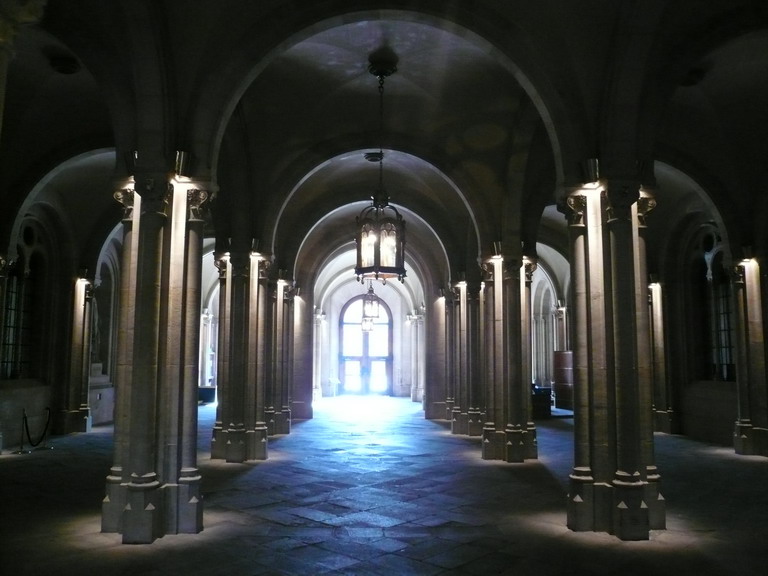
Vestibule of the entrance hall, University of Barcelona
By Pere López – Own work, CC BY-SA 3.0, https://commons.wikimedia.org/w/index.php?curid=3050018
CALL FOR PAPERS
ENGLISH
Call for papers CoCA 2026, International Congress of Anthropology CoCA2026
Symposium 11: Museological framing: an anthropological and curatorial turning point in ethnographic and rural museums for an inclusive future
Currently, the narratives of ethnographic museums are undergoing a major reassessment. Traditionally considered static repositories of tangible culture, these institutions are at the forefront of contemporary discussions on restitution, provenance, and inclusive curation. Current global challenges, colonial legacies, or adapting to constant change, require a transition from rigid interpretations of heritage to dynamic, community-driven frameworks. As hubs of knowledge, these museums can redefine their ethical responsibilities by recognising the hidden histories of collections and promoting multi-vocal representations. This symposium is open to papers that reflect on the evolving responsibilities of ethnographic museums in addressing complexity. It aims to be a space to share alternative approaches that emphasise intellectual collaboration, cultural memory, shared stewardship, and the participation of diasporic communities, and that integrate oral histories, digital technologies, and co-created narratives to evolve as spaces of reconciliation, inclusion, and cultural justice. We seek papers that examine how ethnographic and rural museums address contemporary challenges through innovative practices in the following areas: Decolonisation and cultural restitution; Participatory and collaborative curation; Community narrative and oral history; Use of digital technologies for inclusive interpretation; Shared heritage management; Critical evaluation of collections and exhibition processes. We especially encourage the presentation of case studies, ongoing projects, multidisciplinary research, or collaborative initiatives with local and diaspora groups. Proposals focused on suggestions for museological policies, ethical management practices or frameworks for establishing networks between institutions and social entities are accepted.
Location: Faculty of Geography and History, University of Barcelona
Dates: January 28, 29, and 30, 2026
Submit your abstract in english, spanish, or catalan (300 words) by June 30 2025
https://coca.antropologia.cat/enviament-de-comunicacions-2026/
#Anthropology #Ethnography #CoCABCN2026 #CoCA2026 #ruralmuseums
Español
Convocatoria abierta. CoCA 2026
Simposio 11: Encuadre museológico: un punto de inflexión antropológico y curatorial en los museos etnográficos y rurales para un futuro inclusivo
Actualmente, las narrativas de los museos etnográficos experimentan una importante reevaluación. Tradicionalmente consideradas como repositorios estáticos de cultura tangible, estas instituciones se encuentran en la vanguardia de discusiones contemporáneas sobre restitución, procedencias y curadoría inclusiva. Los desafíos globales actuales, los legados coloniales o la adaptación al cambio constante requieren transitar desde interpretaciones rígidas del patrimonio hacia marcos dinámicos impulsados por la comunidad. Como centros de conocimiento, estos museos pueden redefinir sus responsabilidades éticas reconociendo las historias ocultas de las colecciones y promoviendo representaciones multivocales. Su objetivo es ser un espacio para compartir enfoques alternativos que enfatizen la colaboración intelectual, la memoria cultural, la administración compartida y la participación de las comunidades diaspóricas, y que integren historias orales, tecnologías digitales y narrativas co-creadas para evolucionar como espacios de reconciliación, inclusión y justicia cultural. Buscamos comunicaciones que examinen cómo los museos etnográficos y rurales abordan los desafíos contemporáneos mediante prácticas innovadoras en las siguientes áreas: Descolonización y restitución cultural; Curaduría participativa y colaborativa; Narrativa comunitaria e historia oral; Uso de tecnologías digitales para la interpretación inclusiva; Gestión compartida del patrimonio; Evaluación crítica de colecciones y procesos expositivos. Se recomienda especialmente la presentación de estudios de caso, proyectos en curso, investigaciones multidisciplinares o iniciativas de colaboración con grupos locales y de la diáspora. Se aceptan propuestas centradas en sugerencias de políticas museológicas, prácticas de gestión ética o marcos para el establecimiento de redes entre instituciones y entidades sociales.
Lugar: Facultad de Geografía e Historia, Universidad de Barcelona
Fechas: 28, 29 y30 de enero de 2026
Envía tu resumen en inglés, español o catalán (300 palabras) antes del 30 dejunio
https://coca.antropologia.cat/enviament-de-comunicacions-2026/
#CoCABCN26 #Antropología #Etnografía #museusrurals
CATALÀ
Convocatòria oberta! CoCA 2026 – Congrés Català d’Antropologia CoCA2026
Simposi 11:
Renquadrament museològic: un punt d’inflexio antropologic I curatorial en els museus etnografics i rurals per a un futur inclusiu
Actualment, les narratives dels museus etnogràfics experimenten una important reavaluació. Tradicionalment considerats com repositoris estàtics de cultura tangible, aquestes institucions es troben a l’avantguarda de discussions contemporànies sobre restitució, procedències i curadoria inclusiva. Els desafiaments globals actuals, els llegats colonials o l’adaptació al canvi constant, requereixen transitar des d’interpretacions rígides del patrimoni cap a marcs dinàmics impulsats per la comunitat. Com centres de coneixement, aquests museus poden redefinir les seves responsabilitats ètiques reconeixent les històries ocultes de les col·leccions i promovent representacions multi-vocals. Aquest simposi s’obre a comunicacions que reflexionin sobre l’evolució de les responsabilitats dels museus etnogràfics en abordar la complexitat Vol ser un espai on compartir enfocaments alternatius que emfatitzin la col·laboració intellectual, la memòria cultural, l’administració compartida i la participació de les comunitats diaspòriques i que integrin històries orals, tecnologies digitals i narracions co-creades per evolucionar com a espais de reconciliació, inclusió i justícia cultural. Busquem comunicacions que examinin com els museus etnogràfics i rurals aborden els desafiaments contemporanis mitjançant pràctiques innovadores en les següents àrees: Descolonització i restitució cultural; Curaduría participativa i col·laborativa; Narrativa comunitària i història oral; Ús de tecnologies digitals per a la interpretació inclusiva; Gestió compartida del patrimoni; Avaluació crítica de col·leccions i processos expositius. Recomanem especialment la presentació d’estudis de cas, projectes en curs, recerques multidisciplinars o iniciatives de col·laboració amb grups locals i de la diàspora. S’accepten propostes centrades en suggeriments de polítiques museològiques, pràctiques de gestió ètica o marcs per a l’establiment de xarxes entre institucions i entitats socials.
Lloc del congrés: Facultat de Geografia i Història, Universitat de Barcelona
Dates: 28, 29 i 30 de gener 2026
Envia el teu resum en anglès, castellà o català (300 paraules) abans del 30 de juny 2025:
https://coca.antropologia.cat/enviament-de-comunicacions-2026/
#CoCABCN26 #Antropologia #Etnografia #CoCA2026 #museusrurals